You have successfully logged out.


Introcan Safety® 2 Deep Access IV Catheter with Multi-Access Blood Control
Extended length. Extended dwell.1
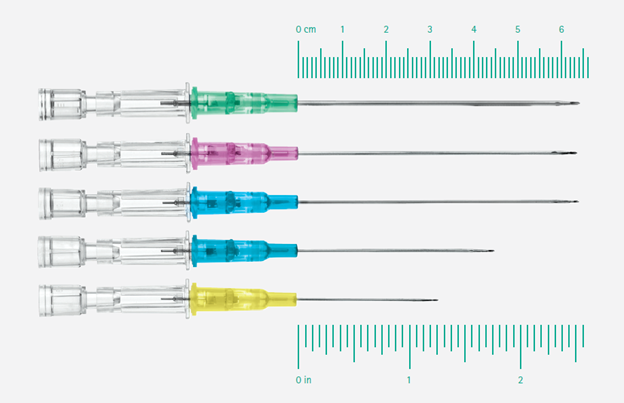
Introcan Safety 2 Deep Access IV Catheter with Multi-Access Blood Control is designed for clinicians managing difficult IV access (DIVA) and longer-stay patients—helping improve first-stick success while reducing blood exposure, restarts and escalations to central or midline devices.

Designed for safer, smarter IV therapy
Introcan Safety 2 Deep Access IV Catheter with Multi-Access Blood Control is an ultralong PIVC designed to offer a safer, more efficient option for challenging vascular access—supporting fewer resticks, reduced escalations, cleaner sites and a better patient experience.
The challenge clinicians face
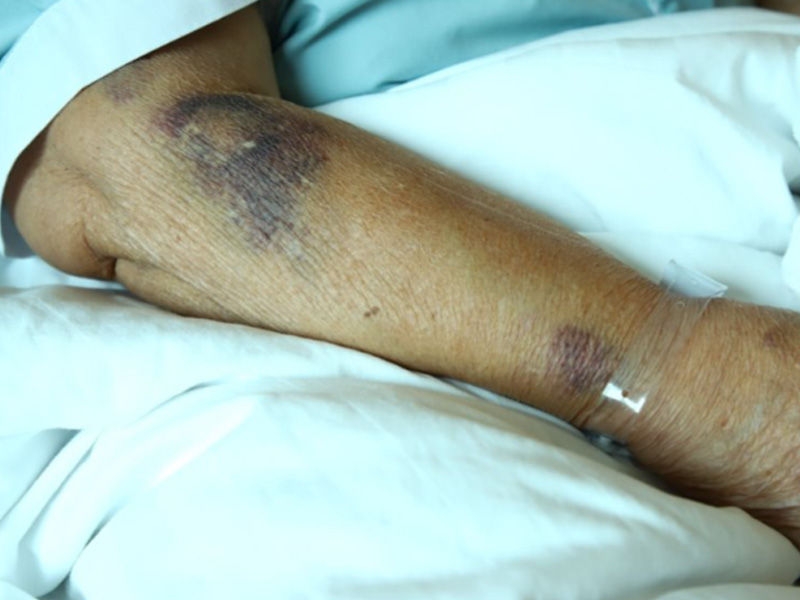
Difficult IV access, blood exposure risk, short dwell times and unnecessary escalation to more invasive devices create daily challenges—especially for complex and longer‑stay patients. Too often, patients with difficult IV access are escalated to central or midline devices not because they are clinically required, but because reliable peripheral access cannot be achieved.2 Clinicians need a peripheral IV solution that supports ultrasound guidance, improves dwell and helps maintain a safer, more efficient workflow while avoiding unnecessary escalation.
Why Introcan Safety 2 Deep Access IV Catheter?
Built for DIVA and longer-stay patients
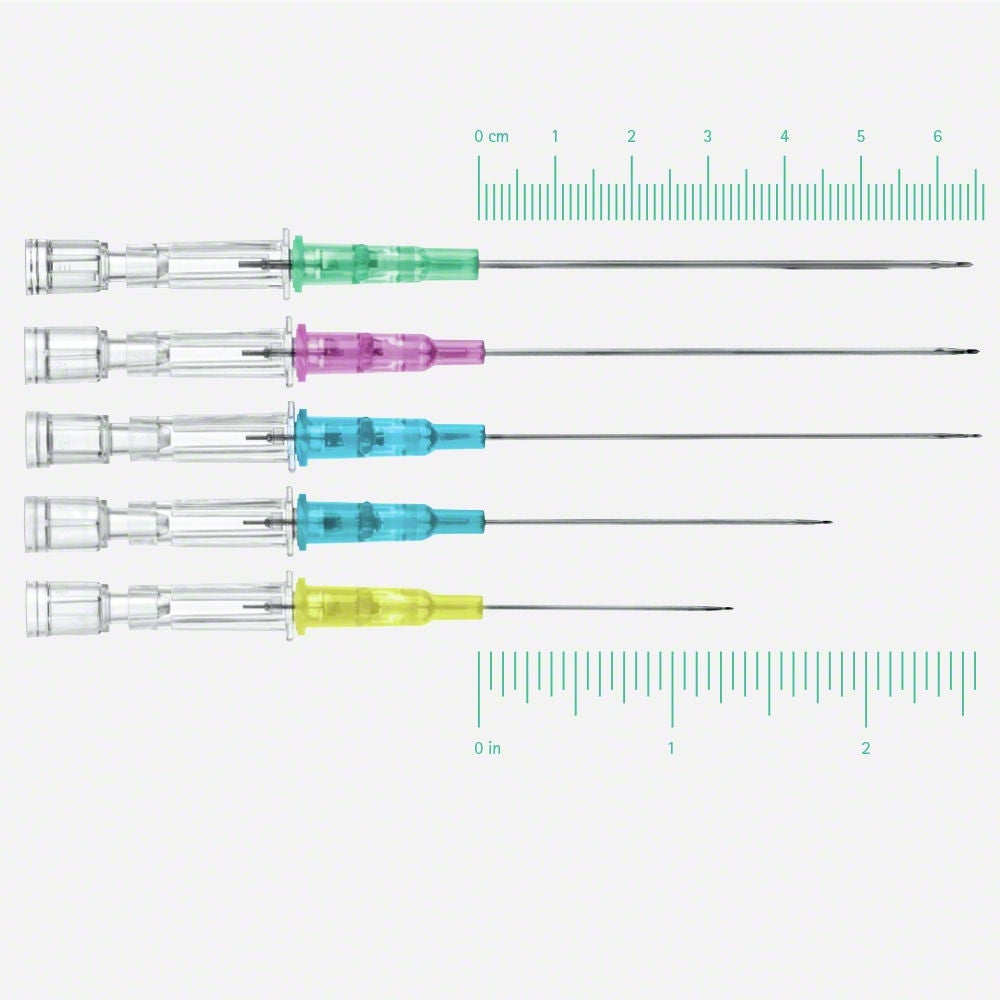
- Supports the recommended 2.75 cm (1.08 in) catheter length in vein even when deeper access is required1 —nearly twice the length of most short PIVCs.
- Built on the proven Introcan Safety Deep Access technology platform, shown to significantly increase PIVC dwell times.1
Supports first-stick success3
- Echogenic needle improves visibility under ultrasound to help guide accurate insertion.4
Multi-access blood control advantage
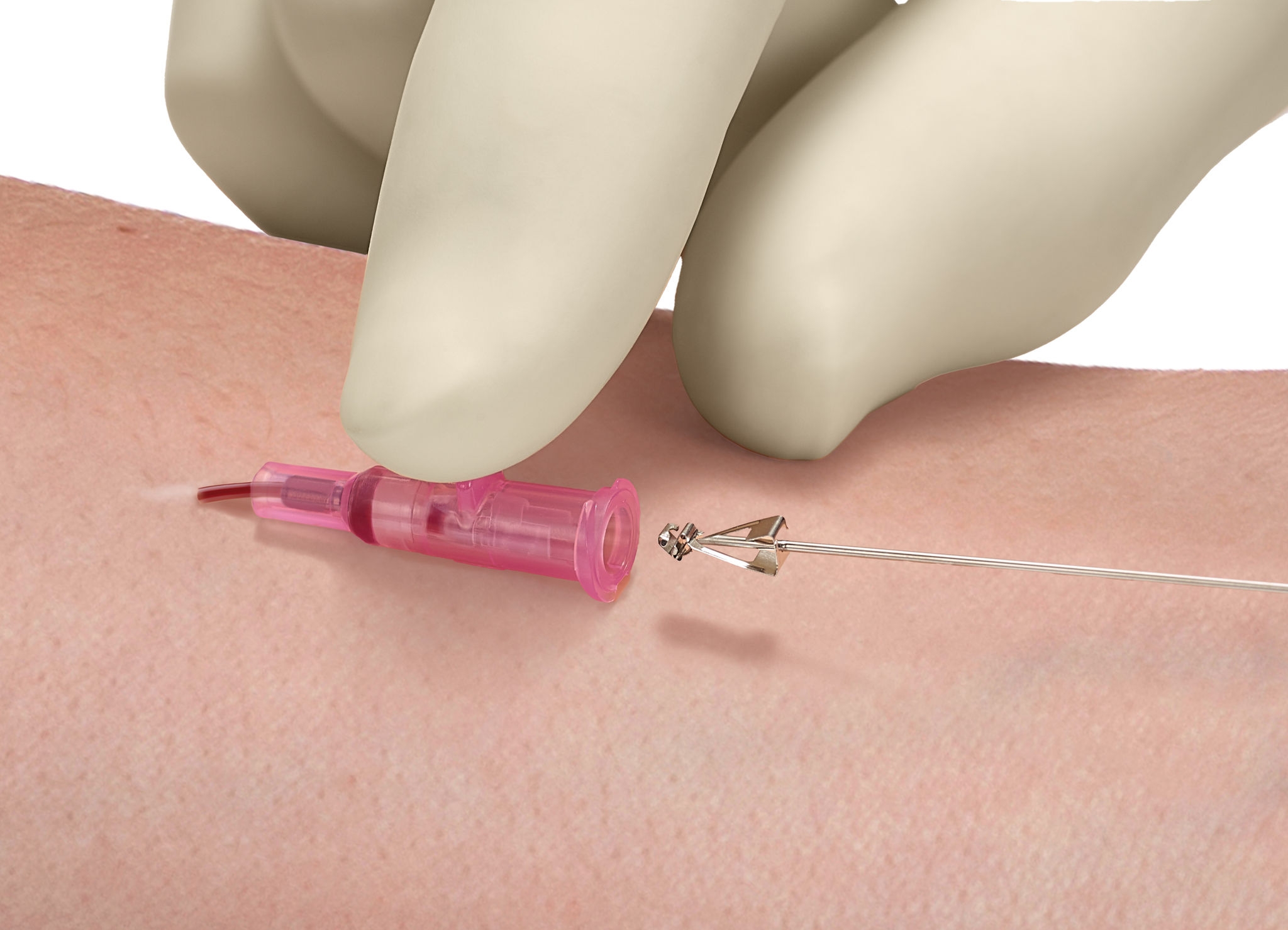
- Maintains blood control during insertion and every time the hub is accessed.5
- Helps minimize blood exposure and reduce time spent on cleanup.6,7
- Supports a safer, more efficient IV workflow.6,7
Safety you can trust
- Automatic safety features help reduce the risk of needlestick injuries and blood exposure.5,8
- Designed to support clinician protection without adding steps or workflow burden.
Request more information
Learn how Introcan Safety 2 Deep Access IV Catheters can support your IV practice, and understand the benefits of multi-access blood control. Fill out the form below to connect with a B. Braun representative.
Your request could not be submitted. Please try again.
warningReferences
1. Bahl A, Hijazi M, Chen NW, Lachapelle-Clavette L, Price J. Ultralong versus standard long peripheral intravenous catheters: a randomized controlled trial of ultrasound-guided catheter survival. Ann Emerg Med. 2020;76(2):134-142. doi:10.1016/j.annemergmed.2019.11.013.
2. Chopra et al. The Michigan appropriateness guide for intravenous catheters (MAGIC): Results from a multidisciplinary panel using the RAND/UCLA appropriateness method. Annals of Internal Medicine. 2015. 163(6). S1-S16.
3. Godfrey J, Gallipoli L. Introducing an ultrasound-guided longer length peripheral IV catheter for patients with difficult venous access. British Journal of Nursing. 2024;33(7)(IV & Vascular Access Supplement).
4. B. Braun Data on File.
5. Jesson Yeh, Diana Valencia, Christopher R. Curtin, Susan Ballek, Allyson Marshall-Hudson, Michael Tuley, Angela Karpf; Evaluation of a Safety-Engineered Peripherally Inserted Intravenous Catheter With Multiple Access Blood Control: Clinician Acceptability and Ease of Use. Journal of the Association for Vascular Access 1 May 2024; 29 (2): 35–43. doi:https://doi.org/10.2309/JAVA-D-23-00035.
6. Richardson D, Kaufman L. Reducing blood exposure risks and costs associated with SPIVC insertion. Nurs Manage. 2011 Dec;42(12):31-4. doi: 10.1097/01.NUMA.0000407577.64066.4b.
7. Haeseler G, Hildebrand M, Fritscher J. Efficacy and base of use of an intravenous catheter designed to prevent blood leakage: a prospective observational trial. J Vasc Access. 2015;16(2):233-236. doi:10.5301/jva.5000334.
8. Tosini W, Ciotti C, Goyer F, et al. Needlestick injury rates according to different types of safety-engineered devices: results of a French multicenter study. Infect Control Hosp Epidemiol. 2010;31(4):402-407.